
Journal
Stories
The technique, the mornings and the people behind the work. Written slowly, because the work is made slowly.

kigali
A day in Kigali’s art scene
Where the work actually is, how the studio-visit convention works, and why the most interesting rooms in the city are rarely the ones with signs.
4 min read
provenance
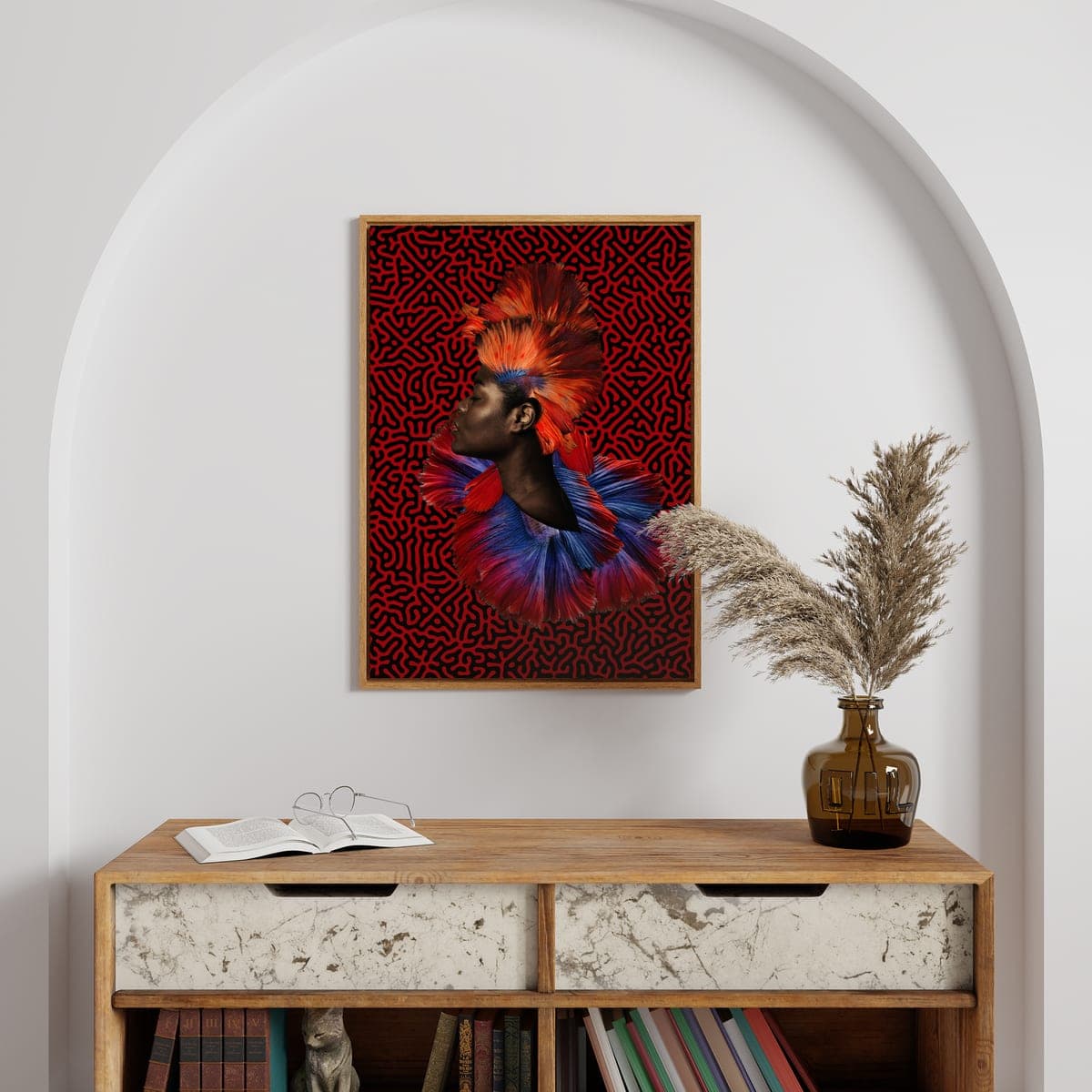
Why provenance matters, even for a small piece
Provenance is not a formality for auction houses. It is the difference between an object with a history and an anonymous thing, and it starts with you.
4 min read
shipping
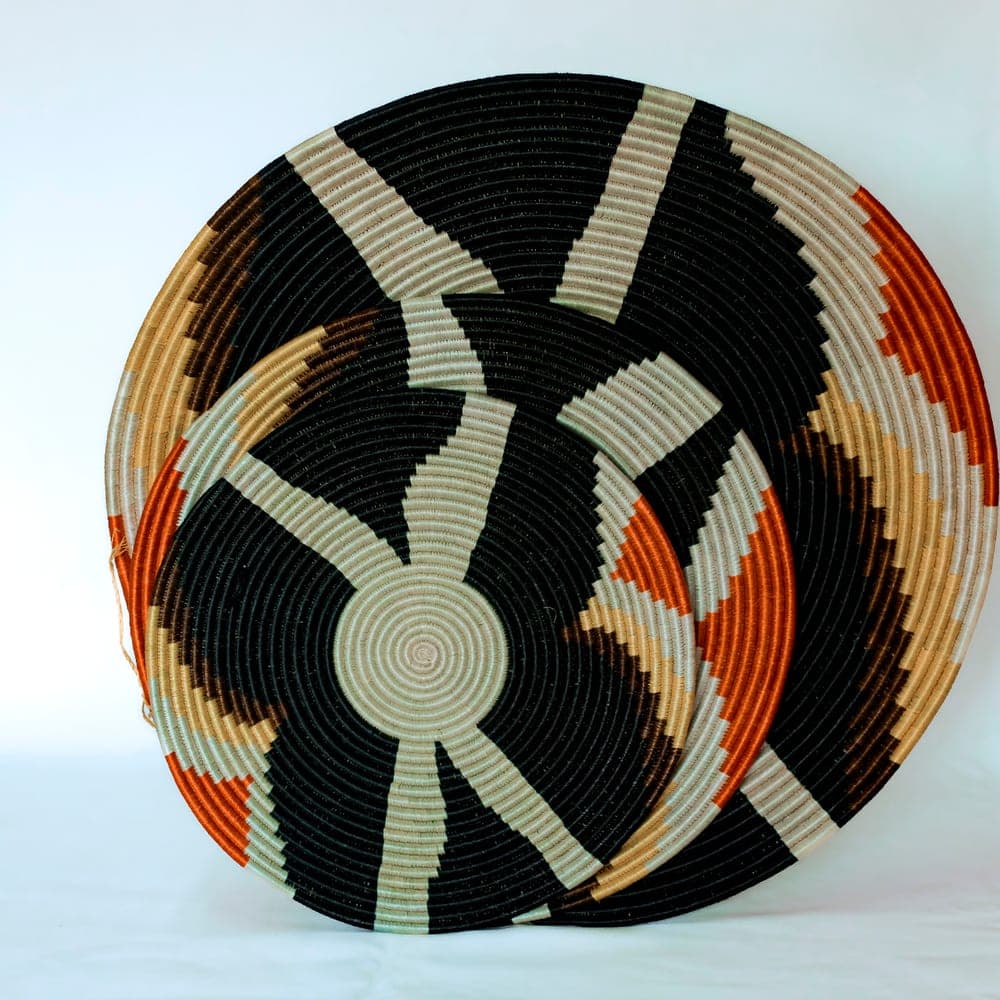
Shipping art internationally, without disasters
Packing, paperwork, duties and the questions to ask before you buy from another continent. Most shipping problems are declaration problems.
4 min read

for artists
How artists price their work
For makers: the three common pricing methods, why undercharging damages more than your income, and how to raise prices without losing everyone.
4 min read
pricing
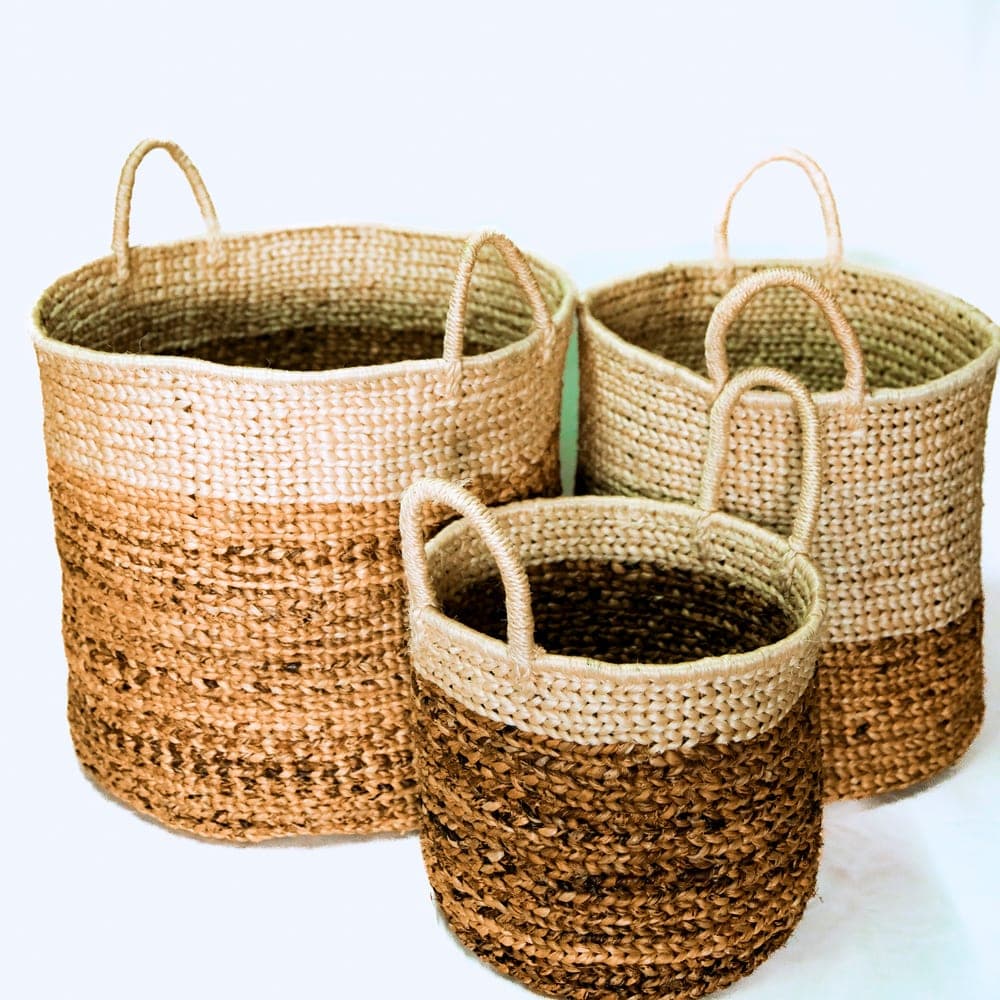
What handmade actually costs
Where the money goes when you buy a handmade object, why the cheap version is cheap, and what a fair price looks like from the maker’s side.
4 min read

gifting
Giving art as a gift, well
Art is a wonderful gift and a risky one, because taste is not transferable. How to give something that gets hung rather than stored.
3 min read
care guide
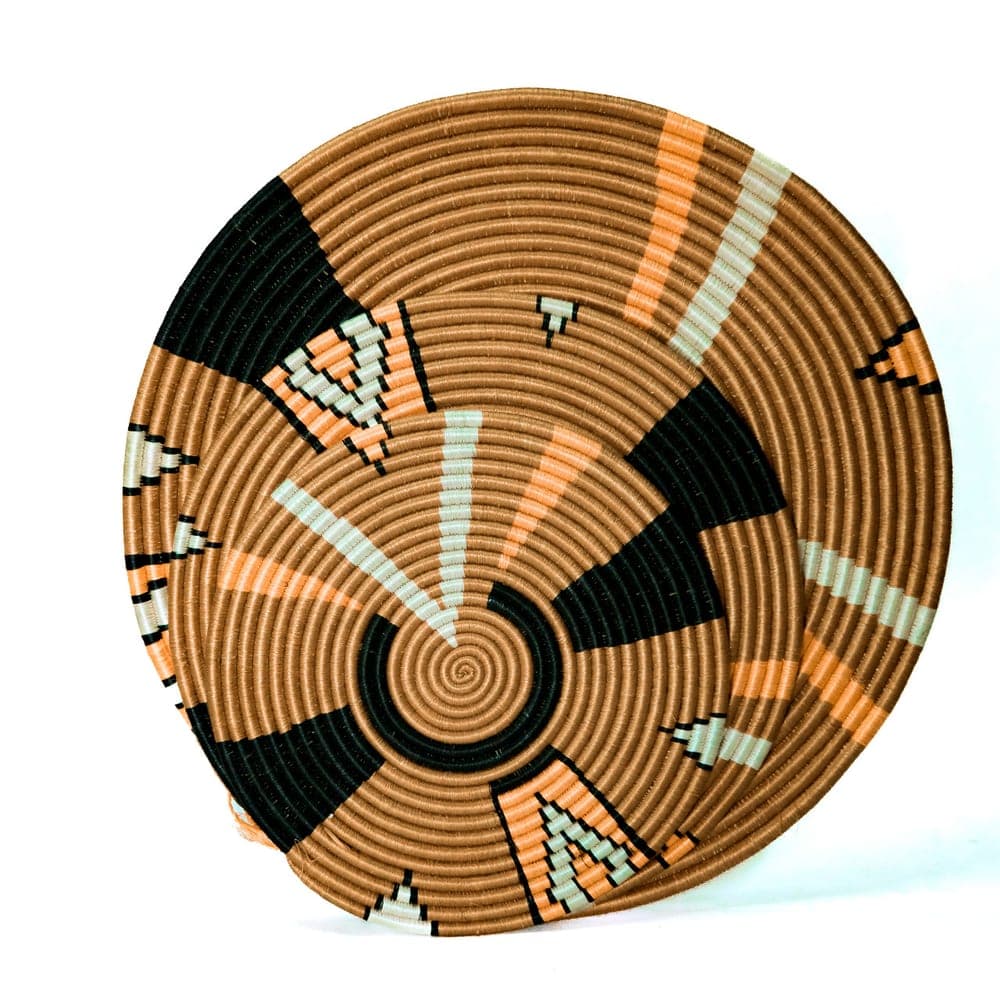
Caring for textiles and wall hangings
A hanging textile is fighting gravity every day of its life. How to hang it so it does not lose, plus cleaning, moths and long-term storage.
4 min read
interiors
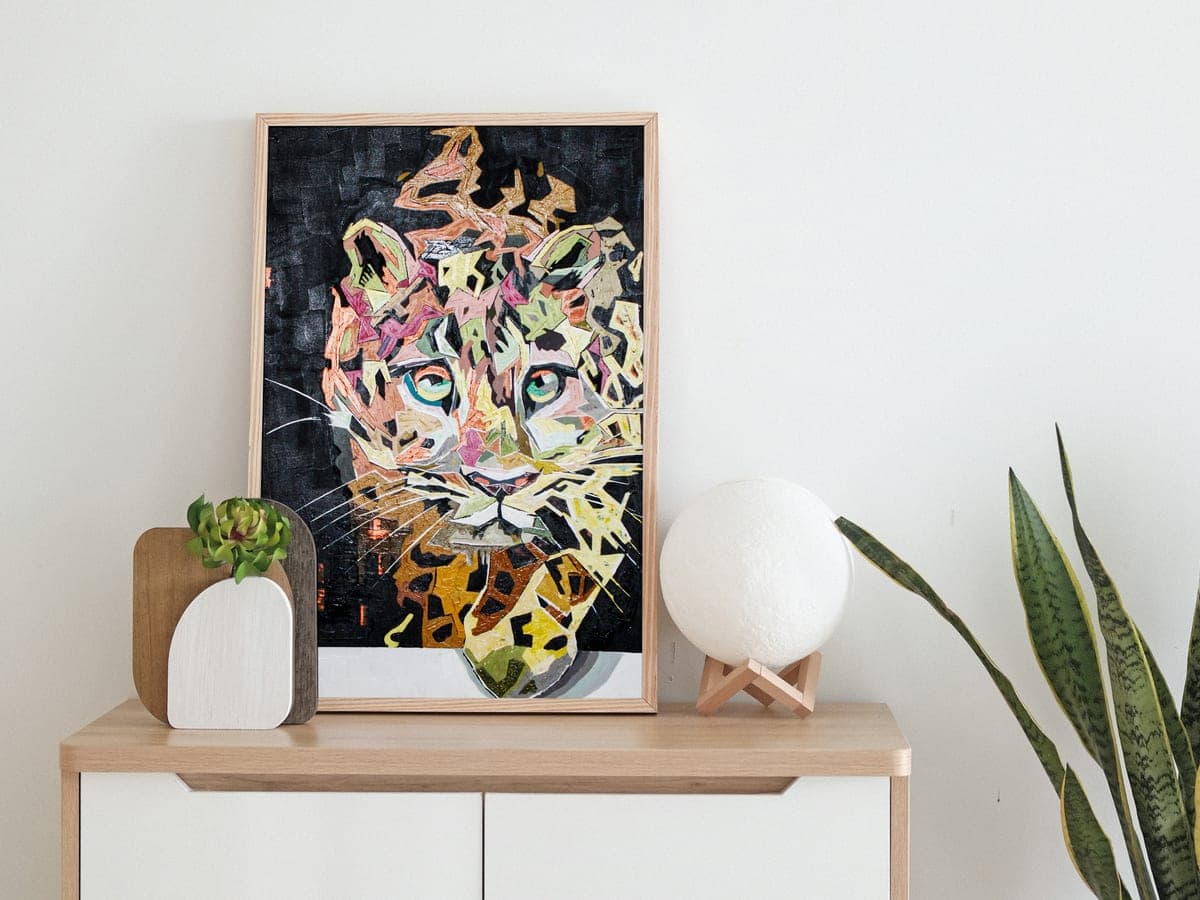
Choosing art for a small room
The instinct in a small space is to hang small things. It is almost always wrong. What actually works when the wall is close to your face.
4 min read

framing
Framing works on paper without ruining them
Framing is the most common way people quietly destroy the art they own. Four decisions decide whether a drawing survives the next thirty years.
4 min read
hanging
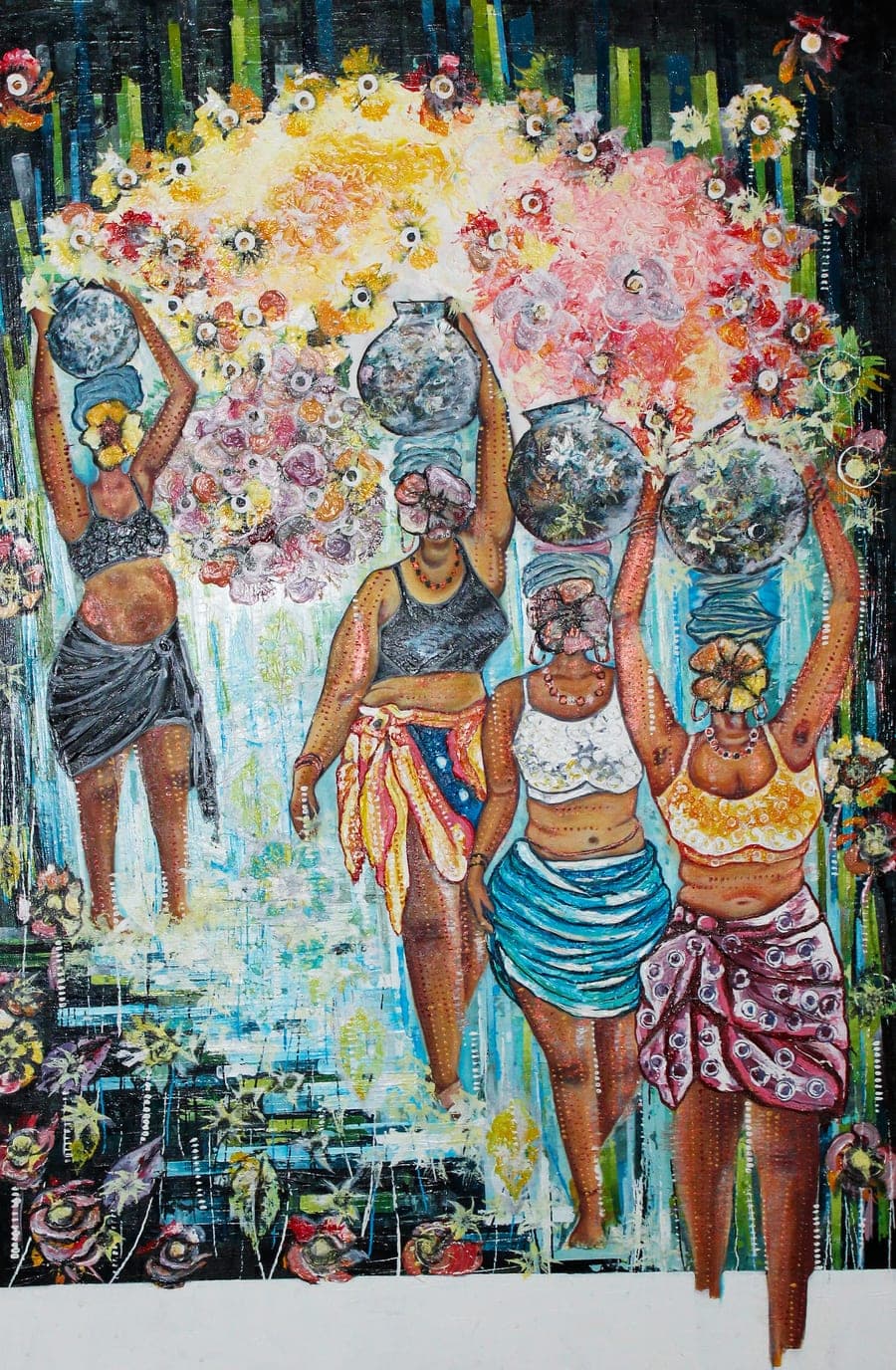
Hanging art: a practical guide
The one measurement that fixes most rooms, how to group work without it looking like a grid, and the fixings that actually hold.
4 min read
weaving
The weaver who taught forty others
She learned from her mother, then turned a single loom into a cooperative that now supplies half the studio.
1 min read
beadwork
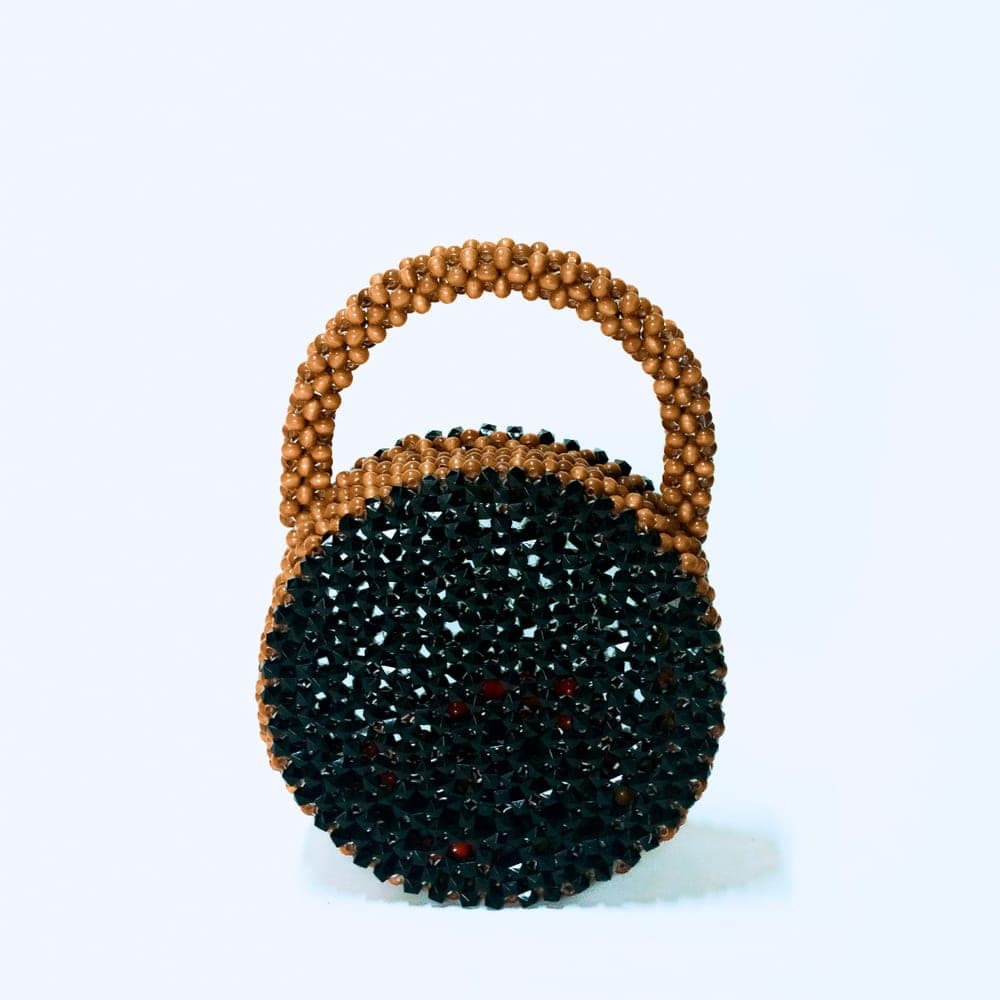
Beadwork, and what it was saying
Across the region, beadwork has carried information as often as decoration — age, status, marriage, mourning. A short guide to reading it, and to buying it well.
4 min read
weaving
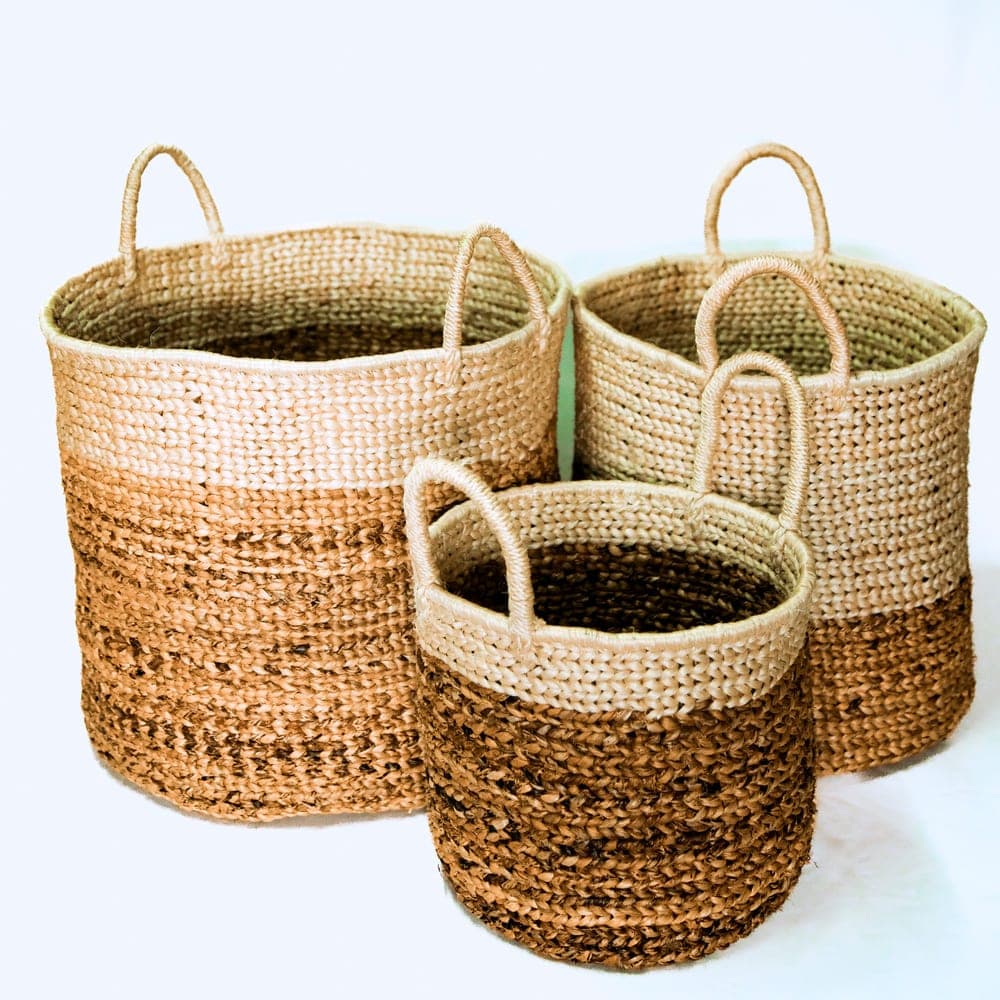
Six signs of quality in handwoven work
Tension, turns, terminations and tails. What experienced buyers actually look at when they pick up a woven piece, and why price alone tells you very little.
4 min read
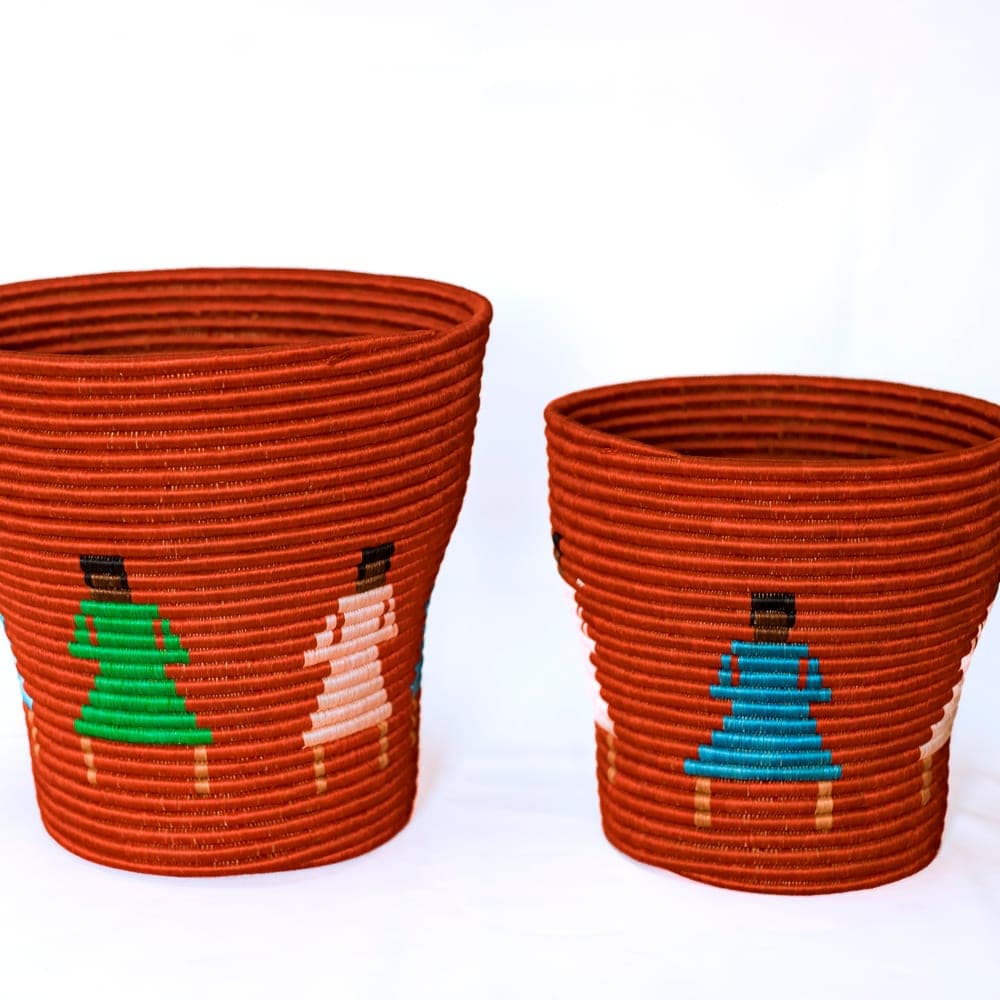
ceramics
Clay, and the potter’s hand
Hand-built pottery leaves evidence everywhere — in the walls, the base, the rim and the fire marks. Learning to read it changes what you buy.
4 min read
studio visit
A morning in a Nyanza workshop
Work starts before the heat does. We spent one from six until noon, watching a set of baskets come off the frame.
2 min read
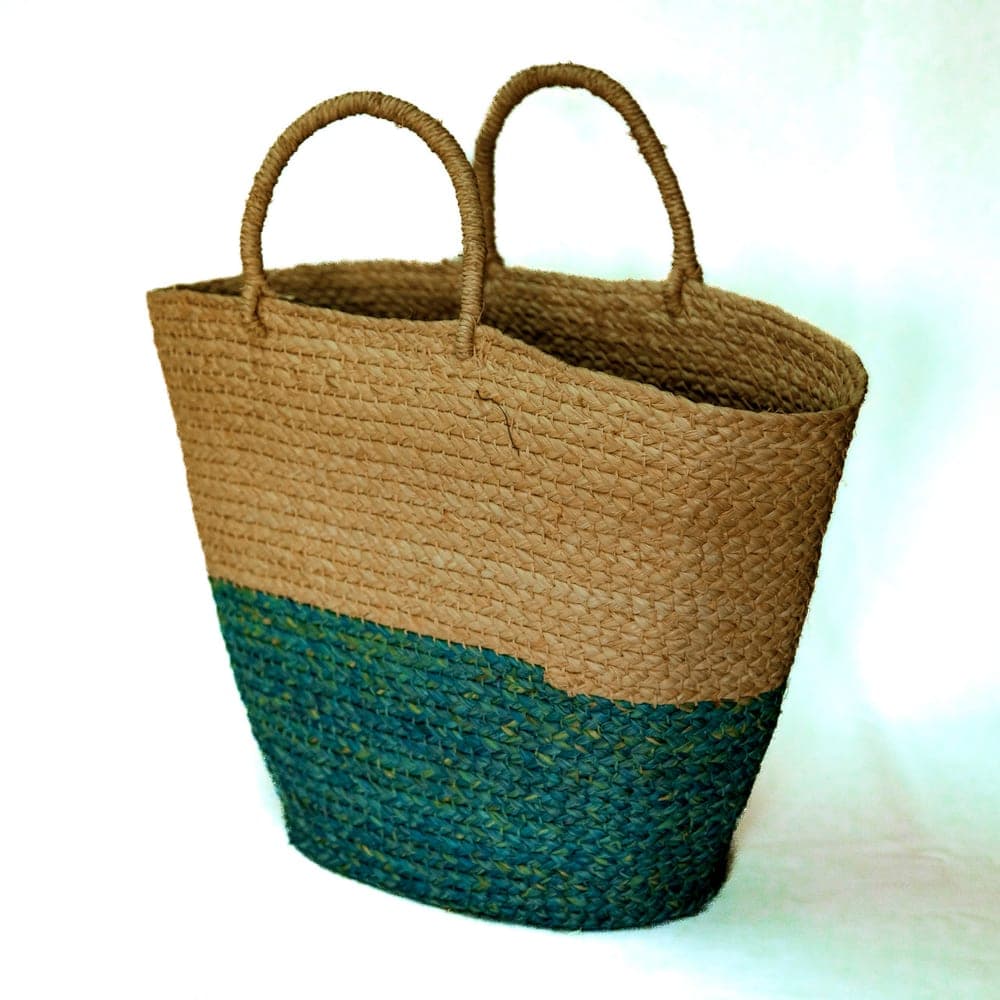
banana fibre
Banana fibre, and what it becomes
The banana plant fruits once and dies. What happens to the stem afterwards is one of the most inventive material traditions in the region.
4 min read
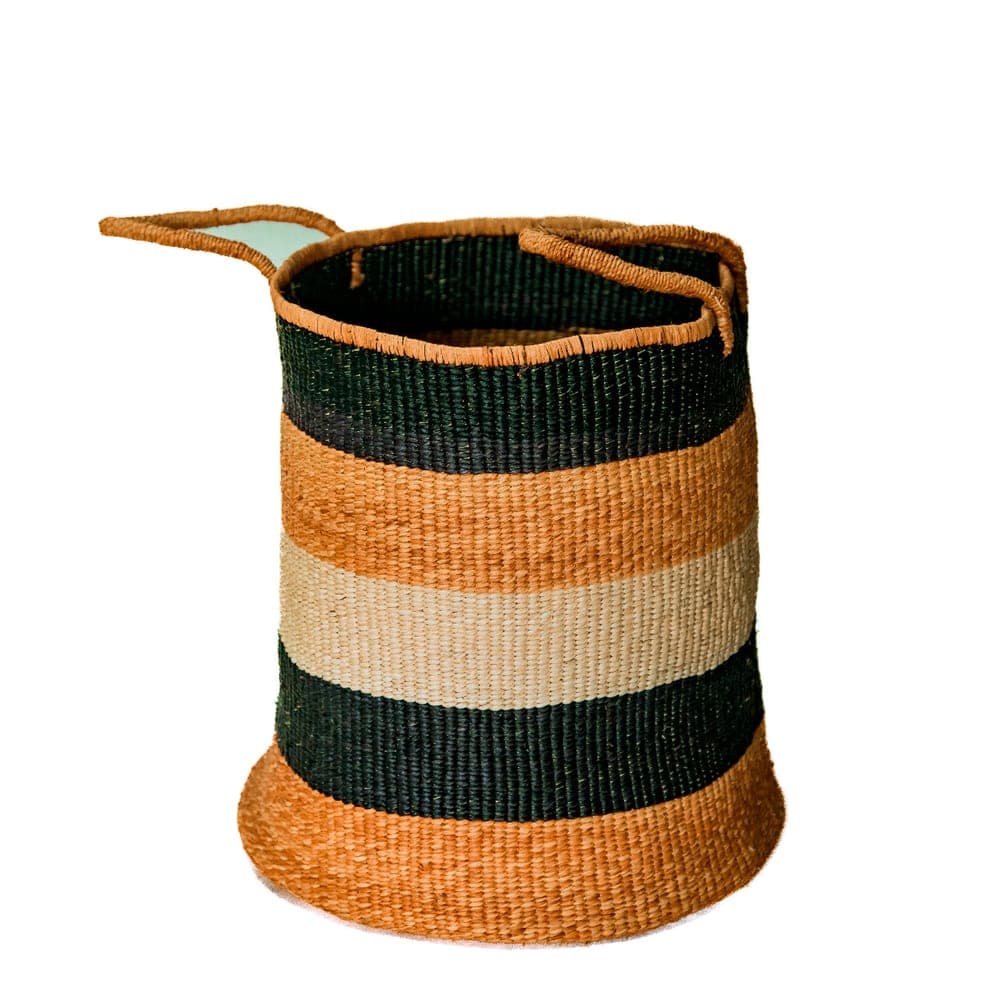
dyeing
Where the colour comes from
Before the dye packet there was mud, bark, ash and a long wait. What natural dyeing actually involves, why it fades the way it does, and how to spot it.
4 min read
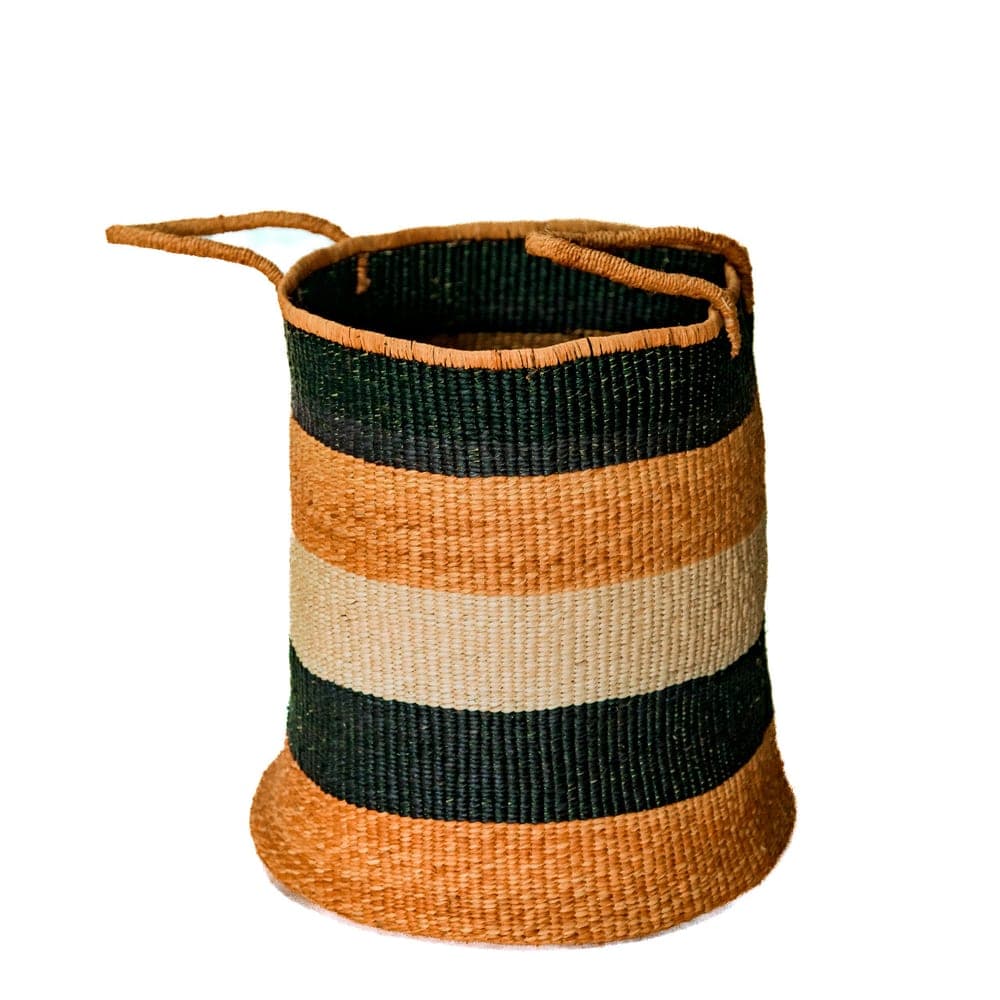
care guide
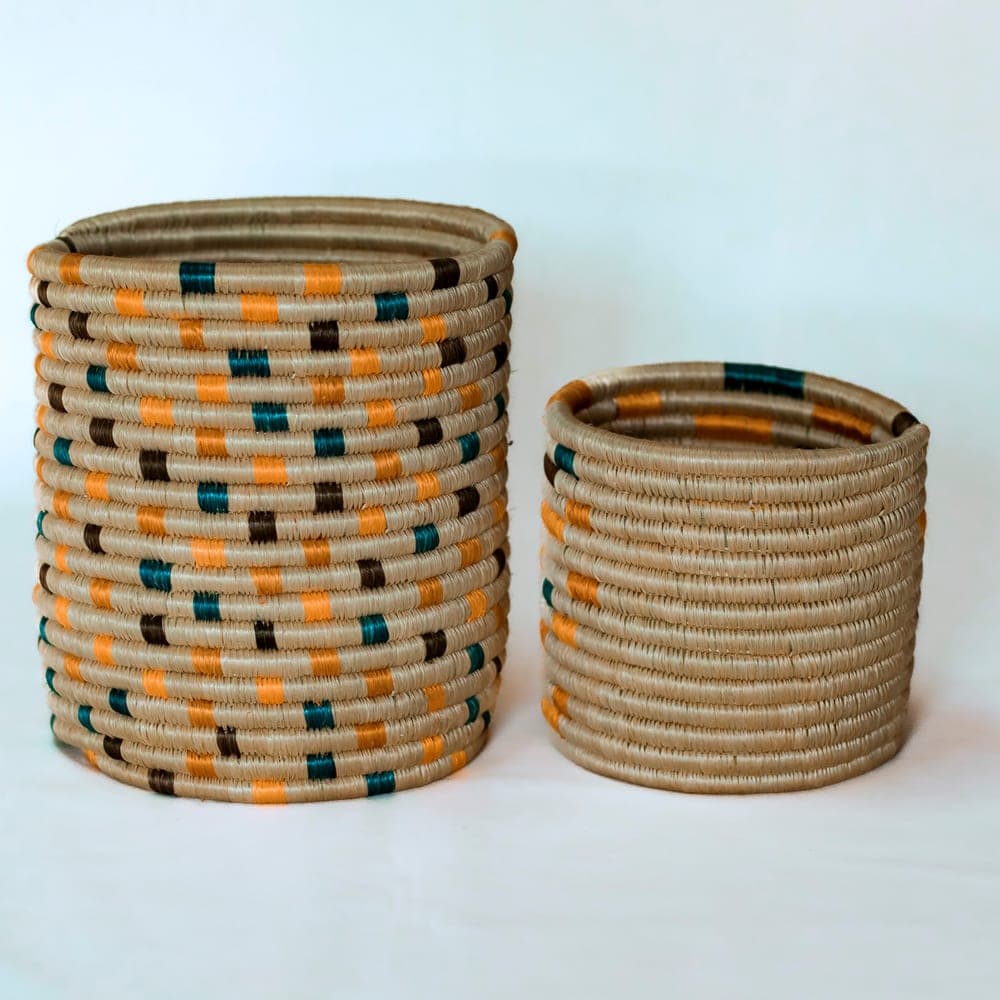
Caring for handwoven baskets
Natural fibre is a material that keeps moving. How to clean a basket without wrecking it, why sunlight is the real enemy, and what to do when one goes out of shape.
4 min read
imigongo
How imigongo gets its geometry
Ash, clay and ochre worked into ridges by hand. The pattern is settled long before a single line is raised.
2 min read
commissions
Commissioning a piece: what actually happens
A commission is a working relationship with a deadline. What to send, what to agree in writing, where projects go wrong, and how long it really takes.
4 min read
collecting
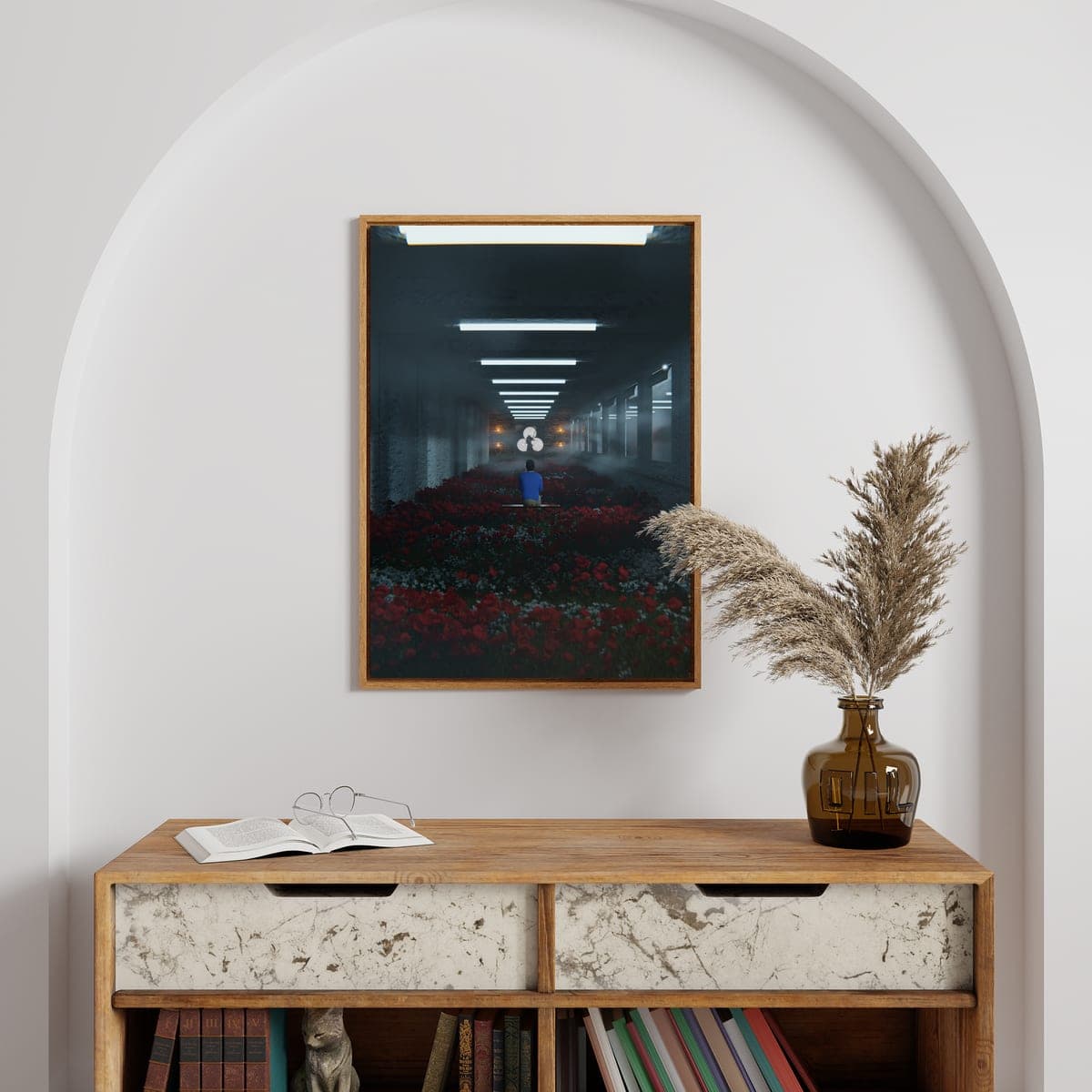
How to start collecting African art without a budget
Collecting is a habit before it is an expense. A practical way in — how to train your eye, what to buy first, and the three mistakes that cost the most.
4 min read
agaseke
Agaseke: what the peace basket actually means
The lidded, cone-topped basket that became a national symbol — what it was for, why it is given rather than bought, and how to tell a careful one from a quick one.
4 min read
buying guide
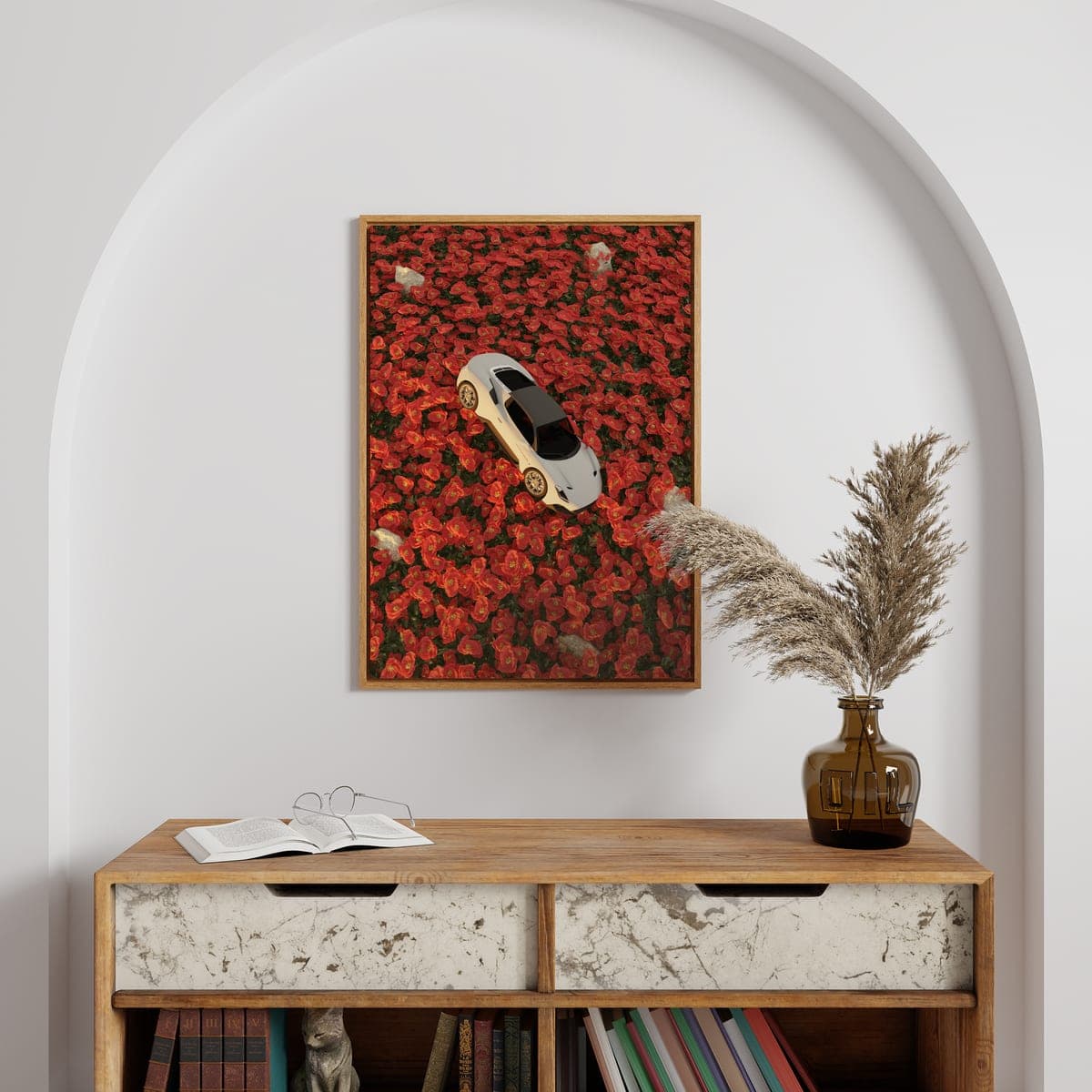
What to look for in an original painting
Six things worth checking before you buy a painting you cannot hold in your hands — edges, surface, signature, support, and the two questions that tell you the most.
5 min read