provenance
Why provenance matters, even for a small piece
Provenance is not a formality for auction houses. It is the difference between an object with a history and an anonymous thing, and it starts with you.
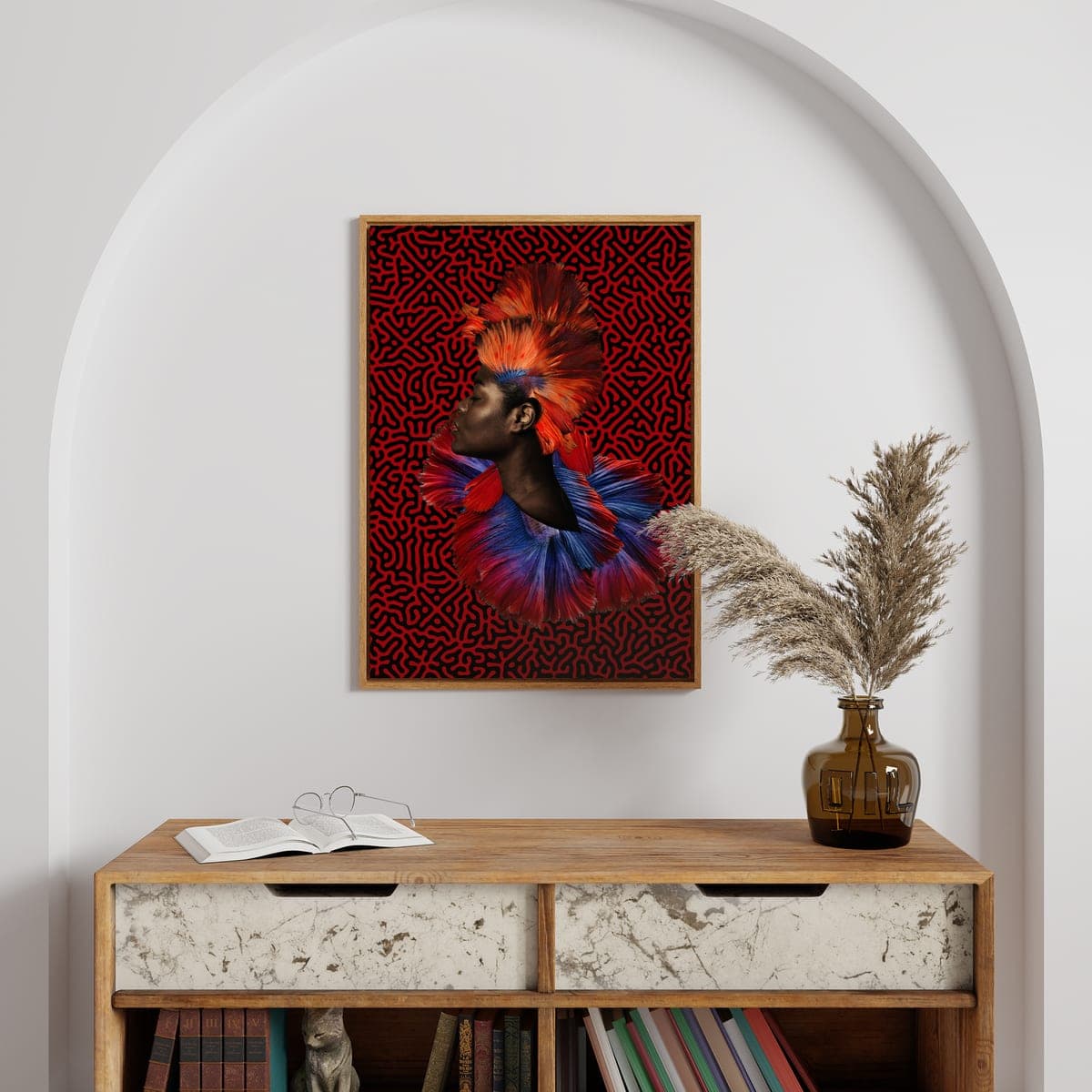
Provenance sounds like a word for auction catalogues and museum labels. It is really much simpler than that: it is the answer to "who made this, when, and how did it get here". For a great deal of African art, that answer has historically been missing — sometimes carelessly, sometimes deliberately — and the consequences are still being worked through.
What it is actually for
It attributes the work. An unattributed piece is an anonymous object. Attribution is what allows an artist to build a body of work rather than a scattering of unconnected sales.
It establishes legitimacy. For anything old or culturally significant, a documented chain of ownership is the difference between a collection and a problem.
It carries value forward. Two identical pieces, one documented and one not, are not worth the same and never will be.
It preserves the story. The context in which something was made is genuinely part of what it is, and it is lost within one generation if nobody writes it down.
The anonymity problem
An enormous quantity of African work in museums and private collections worldwide is attributed to a region, a people or a tradition rather than to a person. The names existed. They were simply not recorded, because the collecting practice of the time treated the objects as ethnographic material rather than as art with authors.
That is a historical injustice with a very ordinary present-day remedy: when you buy contemporary work, record the maker’s name and use it. It is the single most useful thing an individual buyer can do about it.
The maker’s name is not metadata. It is half of what the object is.
What to keep, minimally
The invoice or receipt, with the seller, the date and the price.
The artist’s full name, spelled the way they spell it, and where they work.
Title, year, medium and dimensions.
Any photographs from the studio or the making, which are often the most interesting part of the record.
A note on how you came to it. It sounds sentimental and it is the part your grandchildren will actually read.
Keep it digitally and keep a printed copy taped to the back of the frame or inside the base. Digital records get lost in migrations; paper attached to the object does not.
Buying direct builds it automatically
The strongest provenance a contemporary piece can have is a first sale directly from the person who made it, documented at the time. There is no chain to reconstruct because you are the first link. That is a real and underrated advantage of buying from artists and their cooperatives rather than through several intermediaries — quite apart from where the money ends up.
A record that takes ten minutes
Provenance sounds archival and is really just a note you write once. A workable record for any piece fits on one side of a card:
Artist’s full name, spelled as they spell it, and where they work.
Title, year, medium, dimensions.
Where you bought it, from whom, on what date, for how much.
Anything the seller or artist told you about how it was made.
Two photographs: the front, and the back including any inscription.
Keep it in two places — a folder on a machine that gets backed up, and a printed copy taped inside the frame or under the base. Digital records vanish in migrations; a card attached to the object survives being inherited by someone who never met you.
Names, and getting them right
Spelling matters more than it appears to. A name recorded with a dropped diacritic or an anglicised spelling is a name that will not be found by anyone searching for that artist later, which quietly reproduces the anonymity the record was supposed to prevent. Ask, write it down as given, and use it.
When there is genuinely no name
Older pieces frequently arrive with no attribution and it is not always recoverable. The honest thing is to record what is actually known — the technique, the region, the approximate period, where it was acquired and from whom — and to say plainly that the maker is unrecorded. That is a real piece of provenance. Inventing a plausible attribution because a gap looks untidy is how bad information enters the record and stays there.
Restitution, briefly and carefully
Where objects left the continent through looting or coerced sale, provenance is the evidence base for return, and gaps in it are frequently not accidental. For a contemporary buyer the practical implication is narrow but real: be cautious with older material whose chain of ownership cannot be explained, and expect a reputable seller to be able to explain it.
Write down the name. It is the cheapest thing you will ever do for a piece, and the only part of it that cannot be reconstructed later.
More from the journal
pricing
What handmade actually costs
Where the money goes when you buy a handmade object, why the cheap version is cheap, and what a fair price looks like from the maker’s side.
4 min read
collecting
How to start collecting African art without a budget
Collecting is a habit before it is an expense. A practical way in — how to train your eye, what to buy first, and the three mistakes that cost the most.
4 min read
buying guide
What to look for in an original painting
Six things worth checking before you buy a painting you cannot hold in your hands — edges, surface, signature, support, and the two questions that tell you the most.
5 min read