shipping
Shipping art internationally, without disasters
Packing, paperwork, duties and the questions to ask before you buy from another continent. Most shipping problems are declaration problems.
Buying art from another continent is far less dramatic than people expect, provided two things are right: the packing matches the medium, and the paperwork says exactly what is in the box. Almost every horror story is a failure of one of those two, and the second is more common than the first.
Packing, by medium
Unframed works on paper. Flat between rigid boards, in a sleeve, in a rigid mailer. Rolling is acceptable in a wide tube (never under 10 cm diameter) but flat is always better if the size allows.
Stretched canvas. Face protected without anything touching the paint, a rigid frame or cardboard corner protectors, then a double-walled box with at least 5 cm of clearance all round.
Glazed frames. Tape a cross over the glass so a break does not travel, or better, ship with acrylic glazing instead — most framers will swap it for transit.
Ceramics. Individually wrapped, suspended in the centre of the box, double-boxed. Never let a ceramic piece touch an outer wall.
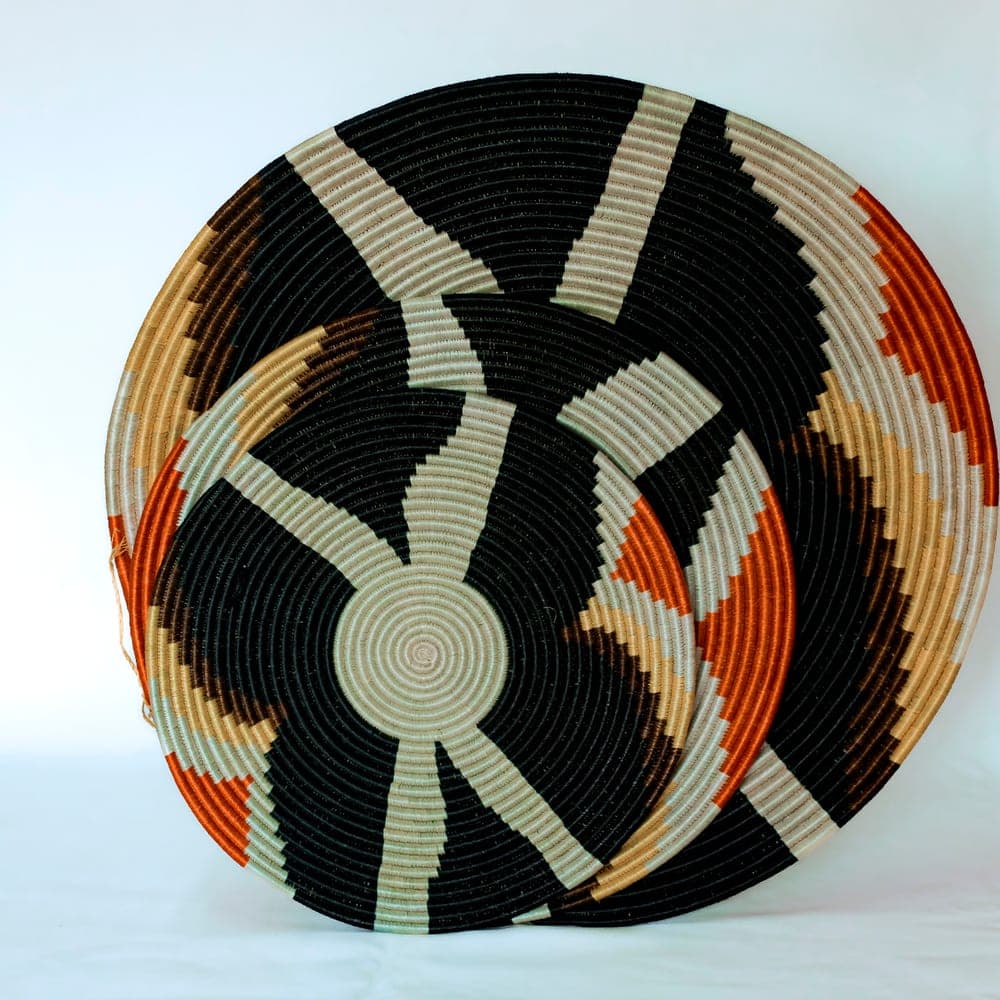
Baskets and woven work. Loosely stuffed to hold their shape, then boxed with no compression. Crushing is the entire risk.
The paperwork that actually matters
A commercial invoice must accompany the shipment and must state what the object is, what it is made of, where it was made, and what it is worth. Getting the description right is not bureaucracy — it decides the tariff code, and the tariff code decides whether you pay anything at all.
Original works of art are duty-free in most jurisdictions, including the EU, the UK and the US, under the tariff headings for original paintings, drawings and sculpture. They usually still attract import VAT or sales tax, often at a reduced rate. Handicrafts and decorative objects are treated differently and generally do attract duty. A parcel described vaguely as "gift" or "handmade item" will be classified by whoever opens it, and rarely in your favour.
Never ask a seller to under-declare the value. It voids the insurance, it is fraud in both countries, and it makes a lost parcel worth nothing.
Restricted materials
Some natural materials are controlled internationally under CITES — ivory absolutely, some hardwoods, certain animal products including some feathers, hides and shells. These will be seized without compensation and can create real legal difficulty for the buyer. If a piece contains anything of animal origin, ask the seller directly and in writing before you buy.
Questions to ask before paying
Who packs it, and how? Ask for a photograph of a previous shipment if you are unsure.
Is it insured in transit, and for how much?
Which courier, and is it tracked door to door?
Who pays duties and taxes — delivered-duty-paid, or on arrival?
What happens if it arrives damaged? Get the answer before, not after.
When it arrives
Photograph the outer box before you open it, and keep photographing as you unpack. Almost every insurer requires evidence of the packaging as received, and almost nobody remembers this until they need it.
Choosing between courier, freight and hand carry
Courier — fastest, tracked, and the right answer for anything under about 30 kg. Insurance limits are usually low; check them.
Specialist art shipper — expensive, and the only sane option for large, fragile or valuable work. They crate properly and they handle the customs classification for you.
Air freight — economical above roughly a cubic metre, but it lands at an airport rather than a door and you will need a broker.
Hand carry — viable and often best for small work, but personal allowances are low and undeclared commercial goods in luggage are a genuine problem at the border.
Materials that matter
Double-walled cartons, always. Single-wall crushes under a stack.
Two boxes with a gap between them for anything breakable. The outer box takes the impact; the inner one never should.
Foam or air pillows, not loose fill. Loose fill migrates in transit and leaves the object resting against a wall by the time it arrives.
A moisture barrier bag for anything organic — baskets, textiles, paper — because holds and warehouses are not climate controlled.
Fragile markings on every face, and orientation arrows that mean something.
The classification question, plainly
Tariff codes decide the duty, and the difference between an original work of art and a decorative handicraft is frequently the difference between zero duty and several per cent. Originals — paintings, drawings, sculpture executed by hand — sit in their own headings and are usually duty-free, though import VAT still applies. Woven, ceramic and decorative objects generally do not. Neither classification is a loophole; the point is that a vague description invites the least favourable reading.
Insurance, honestly
Most couriers insure to a low default and exclude fragile items outright unless professionally packed. Read the exclusions before you rely on the cover. Third-party transit insurance for a single valuable item is not expensive and does not carry the same carve-outs. Whichever you use, the claim will require photographs of the packaging as received — take them before you open anything.
The parcel that arrives broken is almost always the one that was packed to fit rather than packed to survive.
More from the journal
pricing
What handmade actually costs
Where the money goes when you buy a handmade object, why the cheap version is cheap, and what a fair price looks like from the maker’s side.
4 min read
gifting
Giving art as a gift, well
Art is a wonderful gift and a risky one, because taste is not transferable. How to give something that gets hung rather than stored.
3 min read
interiors
Choosing art for a small room
The instinct in a small space is to hang small things. It is almost always wrong. What actually works when the wall is close to your face.
4 min read