kigali
A day in Kigali’s art scene
Where the work actually is, how the studio-visit convention works, and why the most interesting rooms in the city are rarely the ones with signs.
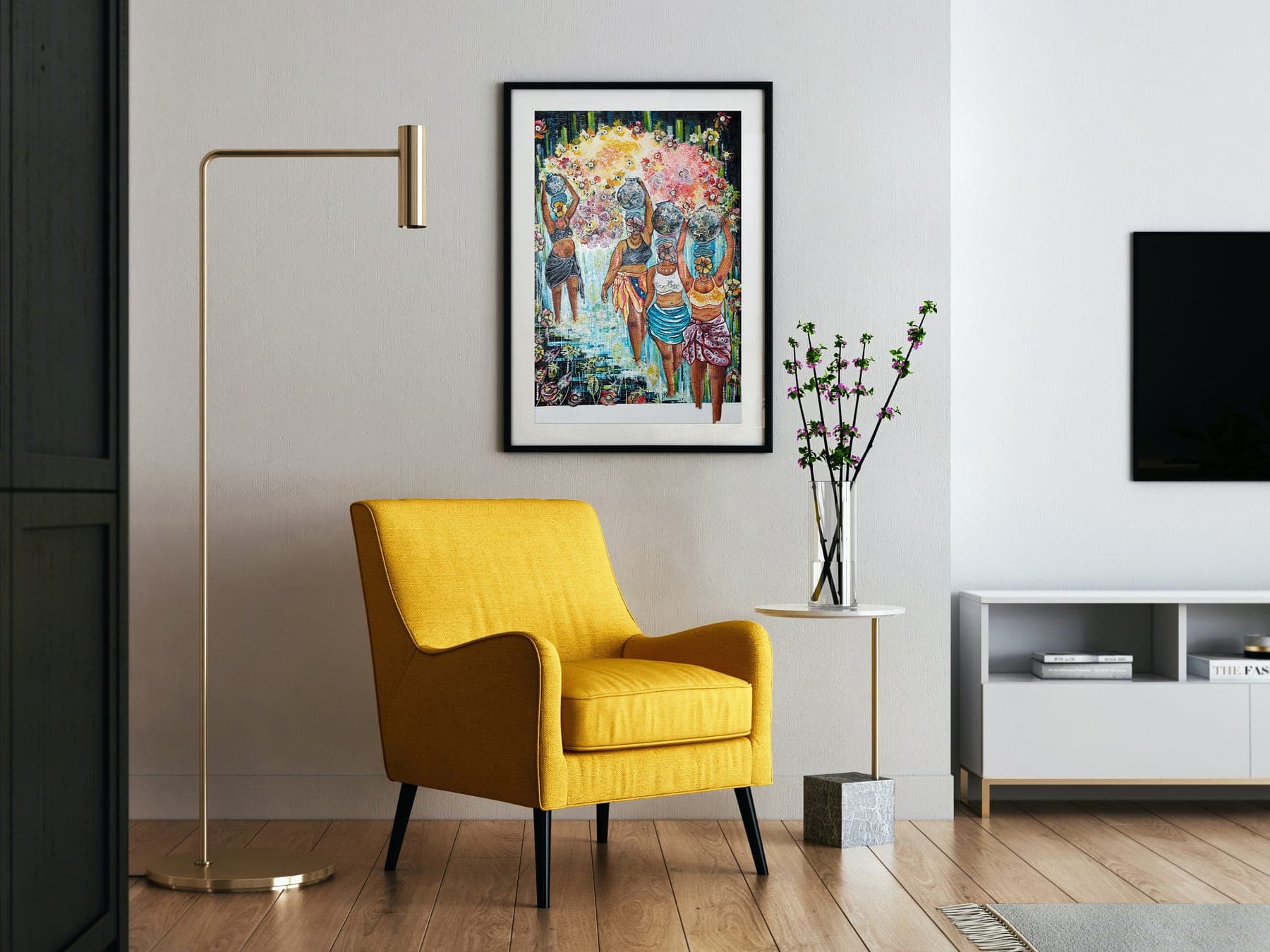
Kigali does not have an art district, and that turns out to be the interesting thing about it. The work is distributed across the hills — a gallery in one neighbourhood, a cooperative workshop in another, half a dozen studios in converted houses that you would walk past without knowing. Finding it takes a day and a willingness to ask.
Morning: the galleries
Start with the established spaces. They are the easiest to find, they will tell you who is showing where, and — most usefully — the people working in them know everybody. A gallery in a small scene functions as a directory as much as a shop, and a straightforward "who else should I see today?" is answered generously more often than not.
Look at what is on the walls, but also ask what is in the back. Small galleries hang a fraction of what they hold.
Midday: the cooperatives
Weaving and craft cooperatives are where the making is visible, and they are usually happy to be visited if you arrange it rather than arriving. You will see the fibre being stripped and dyed, and you will see the difference between the pieces that took forty hours and the ones that took twelve, side by side, which no amount of reading conveys.
Buy something here if you can. The margin structure is direct, and it matters.
Afternoon: studios
This is the part that requires an introduction, and it is worth getting one. A studio visit is not a shop visit and the conventions are different.
Studio etiquette, briefly
Arrange it in advance and arrive when you said you would.
Do not photograph unfinished work without asking. Some artists mind enormously and none will say so unprompted.
Do not negotiate in the studio. If the artist has a gallery, prices are theirs to hold; undercutting it puts the artist in a difficult position.
Ask about process, not inspiration. "What is this ground?" gets a real conversation. "Where do your ideas come from?" gets a polite one.
Do not overstay. An hour is generous. They were working before you arrived.
The most useful sentence in any studio is: "I do not know what I am looking at — can you tell me?" Nobody has ever minded being asked.
Evening: the market end
Craft markets are worth an hour with clear eyes. There is genuine work in them and there is a great deal of imported and machine-made material presented as local. The signals from the quality guides apply directly: stitch density, terminations, whether the inside is finished. Ask who made it. A stallholder who can tell you the maker’s name and village is selling something different from one who cannot.
Practicalities
Getting around. The city is built on hills and nothing is walkable to anything else. Budget for taxis or moto rides between stops, and expect each hop to take longer than the map suggests.
Timing. Studios are best in the morning; light and energy both fade by mid-afternoon. Galleries keep more conventional hours and many close on Sundays and on the last Saturday of the month.
Cash and cards. Mobile money is ubiquitous and cards are not. A cooperative may not be able to take one.
Language. Kinyarwanda, English and French all work in different rooms. A greeting in Kinyarwanda is worth learning.
What to buy where
Original painting and sculpture: the studio, or the gallery that represents it.
Baskets, weaving and ceramics: the cooperative, every time. Better work, fairer pricing, and you meet the maker.
Small gifts and volume: the craft markets, with your eyes open.
Nothing at the airport that you have not already decided you want.
Shipping what you buy
Decide before you buy whether it is going in your luggage or in a box. A large canvas can be taken off its stretcher and rolled — ask the artist to do it, not you — and re-stretched at home for far less than the cost of freighting a rigid frame. Baskets are light and enormously bulky, which is a courier problem rather than a weight problem. Ceramics travel badly in luggage and well in a properly double-boxed parcel.
The thing worth carrying home
Not the object. Ask each maker how they learned, and write the answer down that evening while you still remember the phrasing. In five years the piece on your wall will still be on your wall, and that paragraph will be the only part of the day you could not have got anywhere else.
Every good collection in this field started with somebody spending a day asking questions they were slightly embarrassed to ask.
More from the journal
beadwork
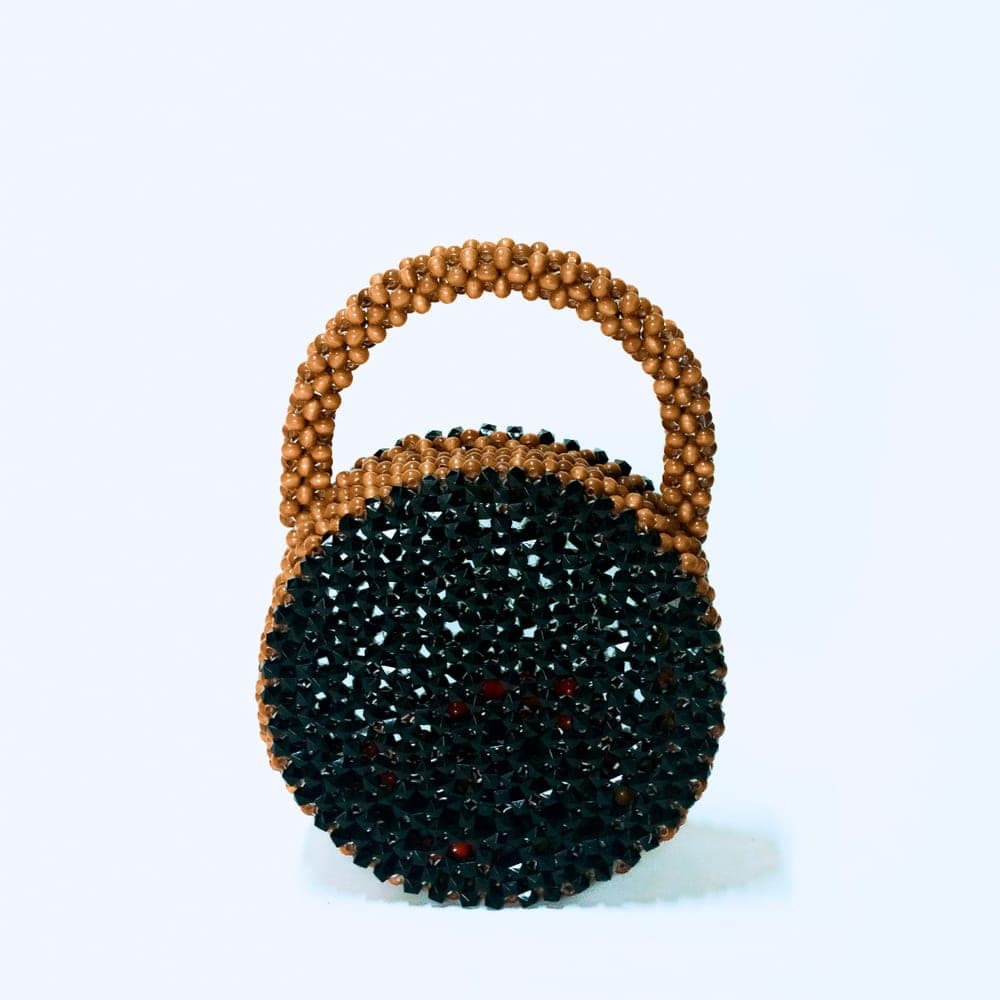
Beadwork, and what it was saying
Across the region, beadwork has carried information as often as decoration — age, status, marriage, mourning. A short guide to reading it, and to buying it well.
4 min read
agaseke
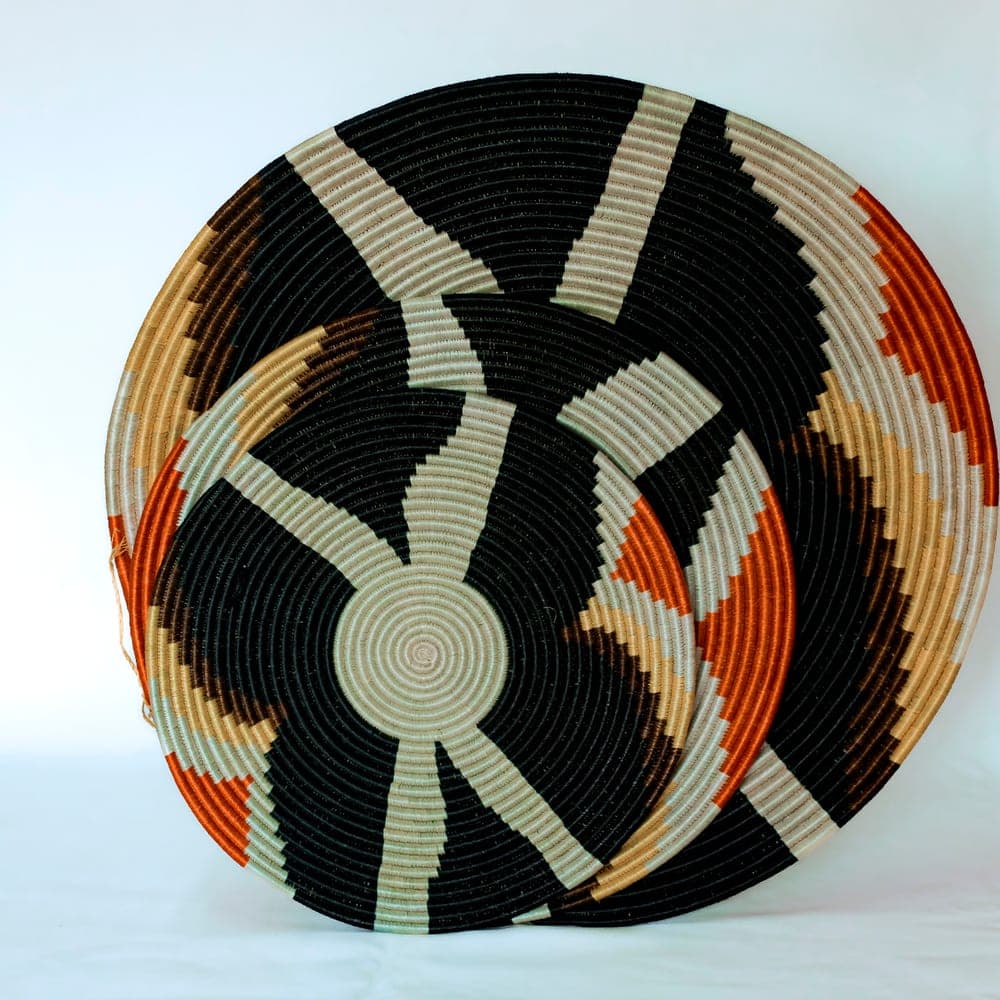
Agaseke: what the peace basket actually means
The lidded, cone-topped basket that became a national symbol — what it was for, why it is given rather than bought, and how to tell a careful one from a quick one.
4 min read