collecting
How to start collecting African art without a budget
Collecting is a habit before it is an expense. A practical way in — how to train your eye, what to buy first, and the three mistakes that cost the most.
The word "collector" does a lot of damage. It suggests a room with a temperature control and an insurance schedule, and it puts people off owning a single good thing. A collection is just what happens when you buy work you keep looking at, more than once, over a few years. The budget question is real but it is not first.
Spend six months looking before you spend anything
The cheapest thing you will ever do for your collection is train your eye, and it costs only attention. Follow ten artists. Look at what they made three years ago and what they are making now. You will start to notice when someone is repeating a formula that sells and when they are actually working something out — and that distinction is worth more than any amount of price research.
Keep a list, not a wishlist
Write down every piece that stops you, with a line about why. After a few months the list will tell you things about your own taste you did not know: that you are drawn to restricted palettes, or to work with a hand visible in it, or to objects rather than images. Buying against that list is how a collection acquires a spine.
What to buy first
Works on paper. Drawings, studies, prints in small editions. They are the most affordable entry to an artist whose paintings are out of reach, and studies are often the most alive thing in a body of work.
Small formats. A good small painting beats a mediocre large one in every way except covering the wall.
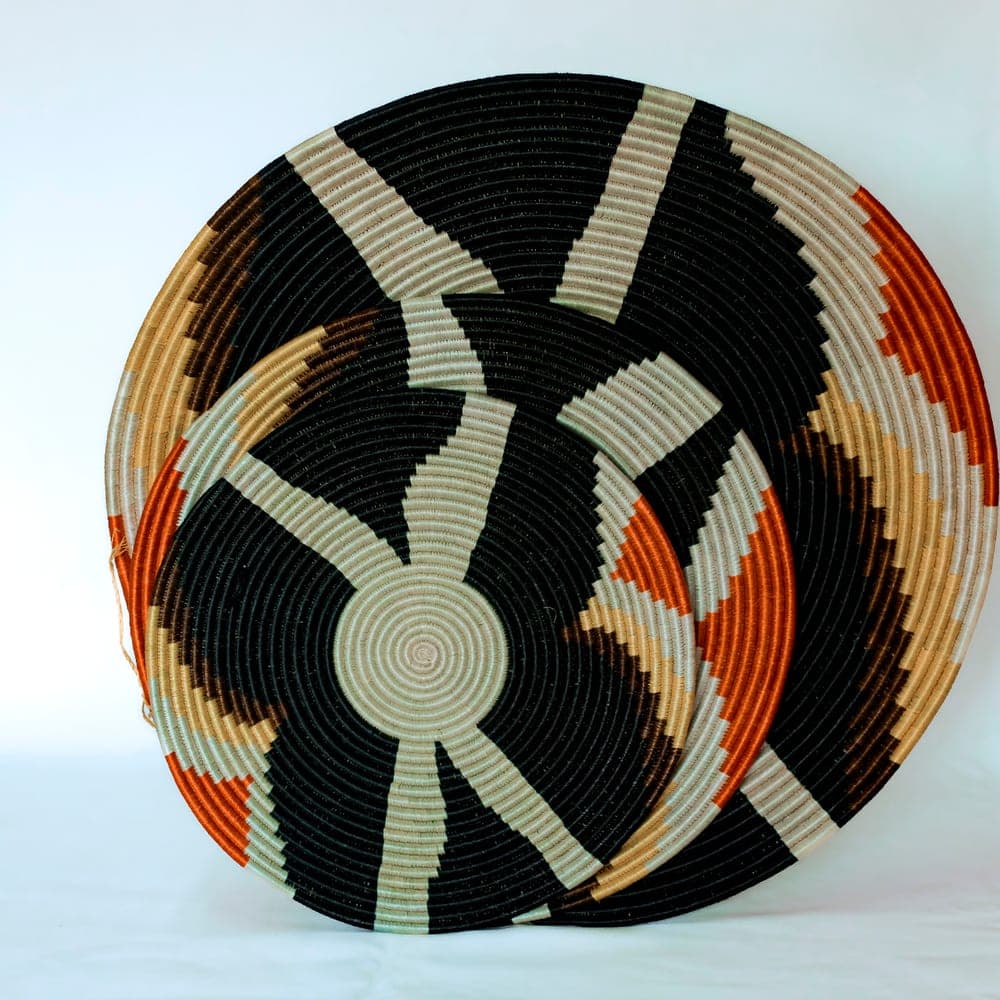
Functional craft made well. A basket, a bowl, a woven panel. It is art that survives being lived with, and the price-to-hours ratio is usually the fairest in the room.
The three expensive mistakes
Buying to fill a wall. The wall is a shape; your attention is not. Work bought to fit a gap is the work that gets sold first.
Buying the story instead of the object. A good story about a piece is a reason to look harder, not a reason to skip looking.
Skipping the paperwork. Keep the invoice, the artist’s name spelled correctly, the year, the medium and any photographs from the studio. Ten minutes now, and it is the difference between a work with a history and an anonymous object.
Buy the piece you would be annoyed to see in someone else’s house. That instinct is more reliable than any market report.
On buying directly from artists
Buying direct is usually better for the maker and often better for you: more of the money reaches the studio, and you get the context that a resale never carries. What you give up is the filtering a good gallery does. That is a fair trade once you have done the six months of looking.
Where to actually look
Artist-run spaces and studio open days. The least filtered and the most rewarding. Prices are usually lowest here and the money goes furthest.
Cooperatives. For craft especially. You see the making, and the pricing structure is generally the most transparent of any channel.
Small commercial galleries. You pay for the filtering and the framing, and in return somebody has already discarded the ninety per cent that was not ready.
Online marketplaces that name the maker. The naming is the test. A platform that will not tell you who made something is selling you an object with no history.
Art fairs, last. Efficient for looking, terrible for deciding — the pace is designed to prevent the second thoughts you should be having.
A budget that actually works
Decide a yearly figure and split it in three: roughly half for one considered purchase, a third for two or three smaller ones, and the remainder for framing and care. That last third is the one everyone forgets, and it is why so many collections consist of good work leaning against a wall.
Two questions that save money
"How long have you been making this kind of work?" Not because newness is bad, but because an artist three years into a body of work is usually making something more resolved than one three months in, at a similar price.
"What else did you make in this series?" The answer tells you whether you are looking at the strongest piece or the one that did not sell.
Live with it before you frame it
Put a new piece somewhere you will pass it several times a day and leave it unframed and unhung for a fortnight. Two things happen. You find out whether you actually keep looking at it, and you find out where in the house it wants to be — which is almost never the wall you bought it for.
More from the journal
buying guide
What to look for in an original painting
Six things worth checking before you buy a painting you cannot hold in your hands — edges, surface, signature, support, and the two questions that tell you the most.
5 min read
provenance
Why provenance matters, even for a small piece
Provenance is not a formality for auction houses. It is the difference between an object with a history and an anonymous thing, and it starts with you.
4 min read
shipping
Shipping art internationally, without disasters
Packing, paperwork, duties and the questions to ask before you buy from another continent. Most shipping problems are declaration problems.
4 min read