weaving
The weaver who taught forty others
She learned from her mother, then turned a single loom into a cooperative that now supplies half the studio.
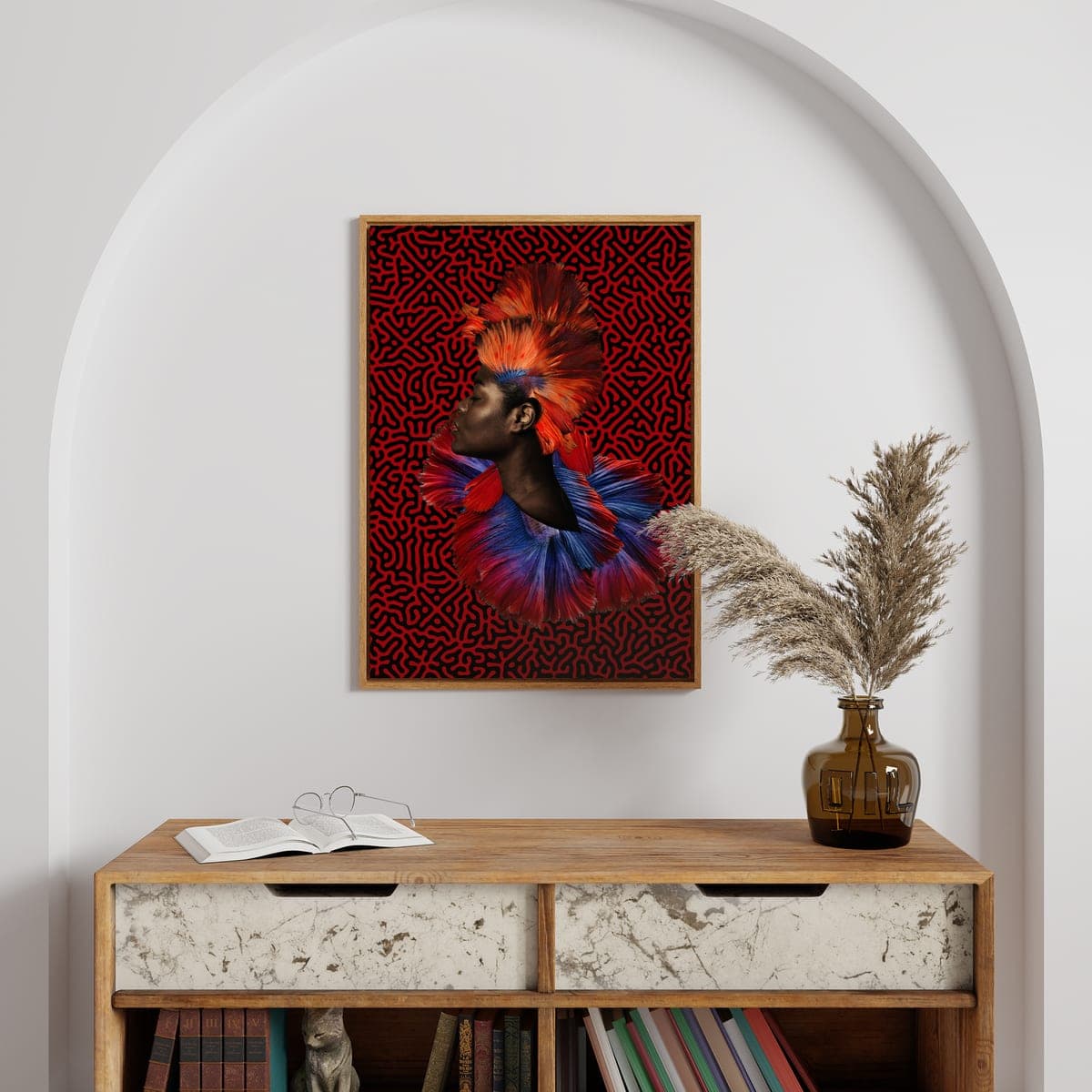
She learned the way most weavers of her generation learned: sitting next to her mother, being handed the easy rows and corrected on the hard ones, for years before anyone called it training. There was no workshop. There was a mat outside the house and whatever fibre the season had produced.
The cooperative started with a practical problem rather than an ambition. She could weave faster than she could sell, and the buyers who came through the district paid what they felt like paying because each woman negotiated alone. Putting eleven makers behind one price was less a business plan than a way of ending that argument permanently.
Teaching turned out to be the harder skill. Weaving can be shown, but tension cannot — it has to be felt and then failed at, repeatedly, on work that gets thrown away. Her method is to give a beginner a small piece she does not care about and let her make every mistake on it, rather than protecting her from a ruined afternoon.
Forty makers later, the arrangement has rules that took years to settle: everyone is paid on delivery rather than on sale, quality is judged by two people and not one, and anyone who wants to learn a new pattern is taught it without being asked to justify why. The last rule is the one she defends most stubbornly.
She is straightforward about what changed and what did not. The income is steadier and the negotiating is over. The work itself is exactly as slow as it always was, and she would not want it otherwise — the thing being sold, she points out, is the time.
More from the journal
care guide
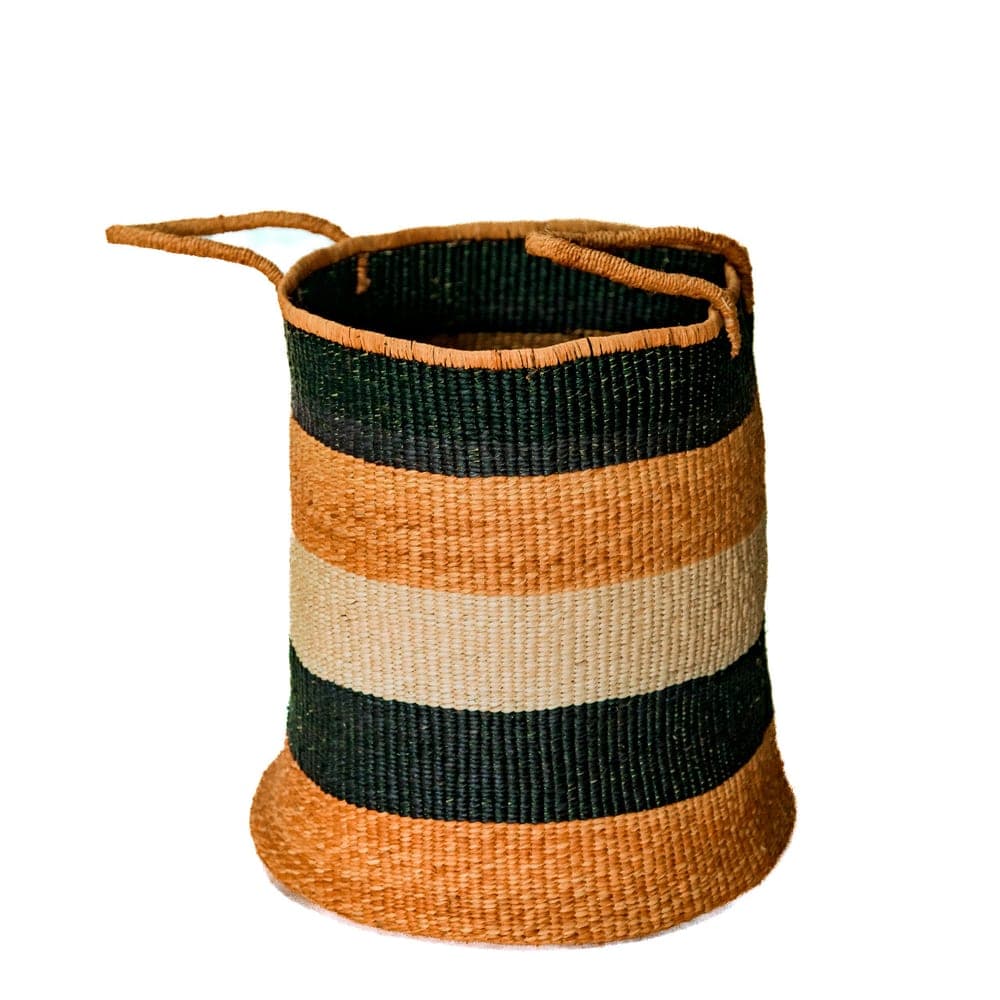
Caring for handwoven baskets
Natural fibre is a material that keeps moving. How to clean a basket without wrecking it, why sunlight is the real enemy, and what to do when one goes out of shape.
4 min read
agaseke
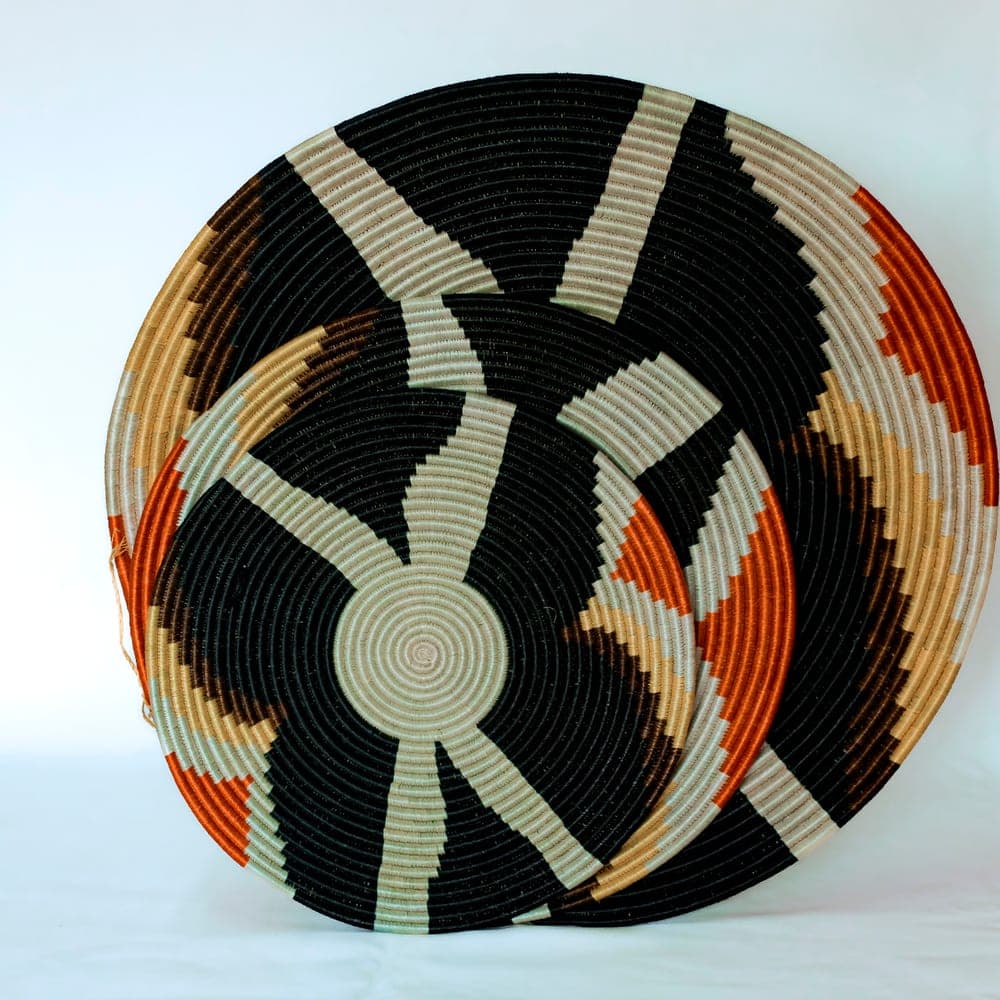
Agaseke: what the peace basket actually means
The lidded, cone-topped basket that became a national symbol — what it was for, why it is given rather than bought, and how to tell a careful one from a quick one.
4 min read
weaving
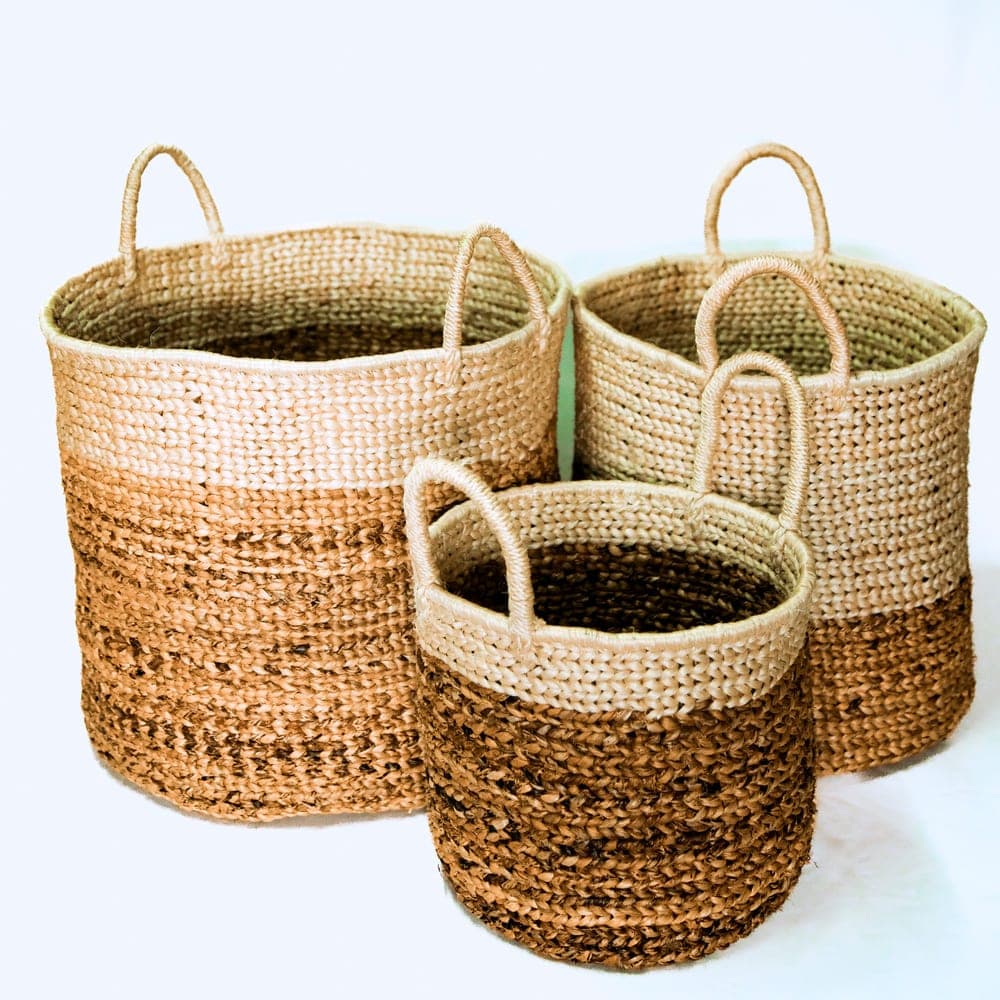
Six signs of quality in handwoven work
Tension, turns, terminations and tails. What experienced buyers actually look at when they pick up a woven piece, and why price alone tells you very little.
4 min read